

Delve into the world of extended auto warranties with a comprehensive look at their value and significance. This passage sets the stage for an insightful exploration of whether investing in an extended auto warranty is truly worth it.
Provide a detailed overview of what readers can expect to learn from the subsequent paragraphs.
Introduction to Extended Auto Warranty

An extended auto warranty is a service contract that provides coverage for certain repairs and maintenance of a vehicle beyond the manufacturer's warranty period. It offers peace of mind to vehicle owners by reducing the financial burden of unexpected mechanical failures.
What is typically covered under an extended auto warranty?
- Engine components such as the cylinder block, crankshaft, and pistons
- Transmission parts like the torque converter and gears
- Electrical systems including the alternator and starter motor
- Air conditioning and heating components
- Suspension and steering systems
The importance of considering an extended auto warranty for a vehicle
Considering an extended auto warranty is crucial for protecting your investment in a vehicle and avoiding expensive repair costs. It provides a safety net for unexpected breakdowns and ensures that you can keep your vehicle running smoothly without worrying about financial strain.
Cost-Benefit Analysis
When considering whether an extended auto warranty is worth the cost, it's important to weigh the expenses against the potential savings in the long run. Extended auto warranties can provide financial protection against unexpected repair costs, but it's essential to determine if the benefits outweigh the initial investment.
Comparing Costs
One way to evaluate the value of an extended auto warranty is to compare the cost of the warranty to potential repair expenses without one. Research the average cost of common car repairs and consider the likelihood of needing these repairs during the warranty period. By doing so, you can assess whether the warranty cost is justified based on potential savings from covered repairs.
Long-Term Savings
Extended auto warranties can save money in the long run by covering the cost of major repairs that may arise after the manufacturer's warranty expires. Without an extended warranty, you may be responsible for expensive repairs that can quickly add up. Having a warranty can provide peace of mind and protect your finances from unexpected repair bills.
Beneficial Scenarios
- Scenario 1: You plan to keep your car for an extended period beyond the manufacturer's warranty, increasing the likelihood of facing repair costs.
- Scenario 2: You own a vehicle known for having costly repairs or mechanical issues, making an extended warranty a wise investment to mitigate potential expenses.
- Scenario 3: You prefer predictable budgeting and want to avoid the uncertainty of unexpected repair bills, ensuring financial stability with a warranty in place.
Coverage Details
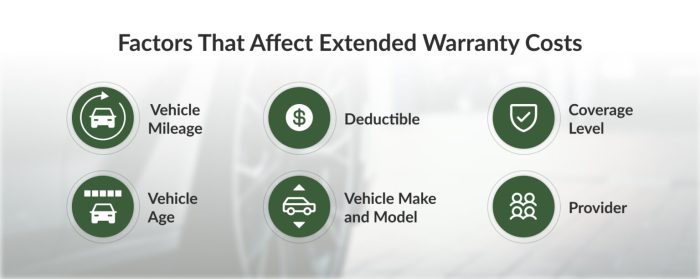 Extended auto warranties offer a variety of coverage options to protect your vehicle beyond the manufacturer's warranty. It is important to understand the types of coverage available, as well as any exclusions or limitations that may apply.
Types of Coverage Options
- Bumper-to-Bumper Warranty: This comprehensive coverage includes most components of the vehicle, excluding only wear-and-tear items such as tires and brakes.
- Powertrain Warranty: Focuses on the essential components that make the vehicle run, such as the engine, transmission, and drivetrain.
- Component-Specific Warranty: Covers specific parts or systems, such as electronics, air conditioning, or suspension.
Common Exclusions or Limitations
- Pre-Existing Conditions: Some extended warranties do not cover issues that existed prior to purchasing the warranty.
- Misuse or Neglect: Damage resulting from improper maintenance or accidents may not be covered.
- High-Mileage Vehicles: Some warranties have mileage limitations, which may exclude coverage for vehicles with high mileage.
Examples of Coverage Application
Imagine your car's transmission suddenly fails after the manufacturer's warranty has expired. With an extended auto warranty that includes powertrain coverage, the cost of repairing or replacing the transmission would be covered, saving you potentially thousands of dollars.
Choosing an Extended Auto Warranty
When it comes to selecting an extended auto warranty provider, there are several factors to consider. Comparing different providers based on coverage, reputation, and cost is essential to ensure you choose the right warranty for your vehicle. Here, we will discuss the process of researching and selecting the right extended auto warranty for a specific vehicle.Factors to Consider When Selecting an Extended Auto Warranty Provider
- Coverage Options: Look for a provider that offers comprehensive coverage for various components of your vehicle, including the engine, transmission, and electronics.
- Reputation: Research customer reviews and ratings to gauge the reputation of the warranty provider. A company with a good track record of customer satisfaction is more likely to provide reliable service.
- Cost: Compare the cost of extended warranties from different providers. Consider the upfront cost, deductible amounts, and any additional fees to determine the overall value.
- Exclusions and Limitations: Pay attention to any exclusions or limitations in the warranty coverage. Make sure you understand what is and isn't covered to avoid surprises down the line.
Comparing Different Providers Based on Coverage, Reputation, and Cost
- Coverage: Evaluate the extent of coverage offered by each provider to ensure it meets your specific needs. Consider whether the warranty includes wear and tear items or only mechanical breakdowns.
- Reputation: Look for reviews and feedback from other customers to gauge the reputation of the warranty provider. A reputable company is more likely to provide satisfactory service when you need to make a claim.
- Cost: Compare the cost of warranties from different providers, taking into account the monthly or annual premiums, deductible amounts, and any additional fees. Choose a provider that offers a balance between cost and coverage.
Researching and Selecting the Right Extended Auto Warranty for a Specific Vehicle
- Vehicle Compatibility: Make sure the extended warranty you choose is compatible with your vehicle's make, model, and mileage. Some warranties may have restrictions based on the age or mileage of the vehicle.
- Claims Process: Understand how the claims process works with each warranty provider. Look for a company that offers a simple and straightforward claims process to expedite repairs when needed.
- Additional Benefits: Consider any additional benefits or perks offered by the warranty provider, such as roadside assistance, rental car coverage, or trip interruption reimbursement.
Closure
Concluding our discussion on Extended Auto Warranty Explained: Is It Worth the Cost?, this final section encapsulates the key points covered and leaves readers with a lasting impression of the topic.
FAQ Summary
What does an extended auto warranty cover?
Extended auto warranties typically cover components like engine, transmission, and electrical systems.
Are extended auto warranties worth the cost?
It depends on individual circumstances and the reliability of the vehicle. For some, the peace of mind is invaluable.
How do I choose the right extended auto warranty provider?
Consider factors like coverage options, reputation of the provider, and cost. Research thoroughly before making a decision.
What are common exclusions in extended auto warranty coverage?
Exclusions may include wear and tear, routine maintenance, or pre-existing conditions. It's essential to review the terms carefully.